M - F: 8:00AM - 5:00PM | Saturday: 8:00AM - 2:00PM | Sunday: Closed
(270) 919-1712
1055 Crossing Pl Madisonville, KY 42431
Toyota brake concerns usually start small. A quick squeak on the first stop of the day. A pedal that feels a little different at a red light. A mild shake you notice only when slowing down from higher speeds.
If you’re in Madisonville, KY, those symptoms can come and go because local driving is mixed. Short errands around town, stop-and-go lights, and faster stretches on I-69 and the Pennyrile Parkway (Western Kentucky Parkway) can make Toyota brakes sound or feel different depending on the day. The goal is not to guess. It’s to recognize patterns and get a clear answer when something stops feeling normal.
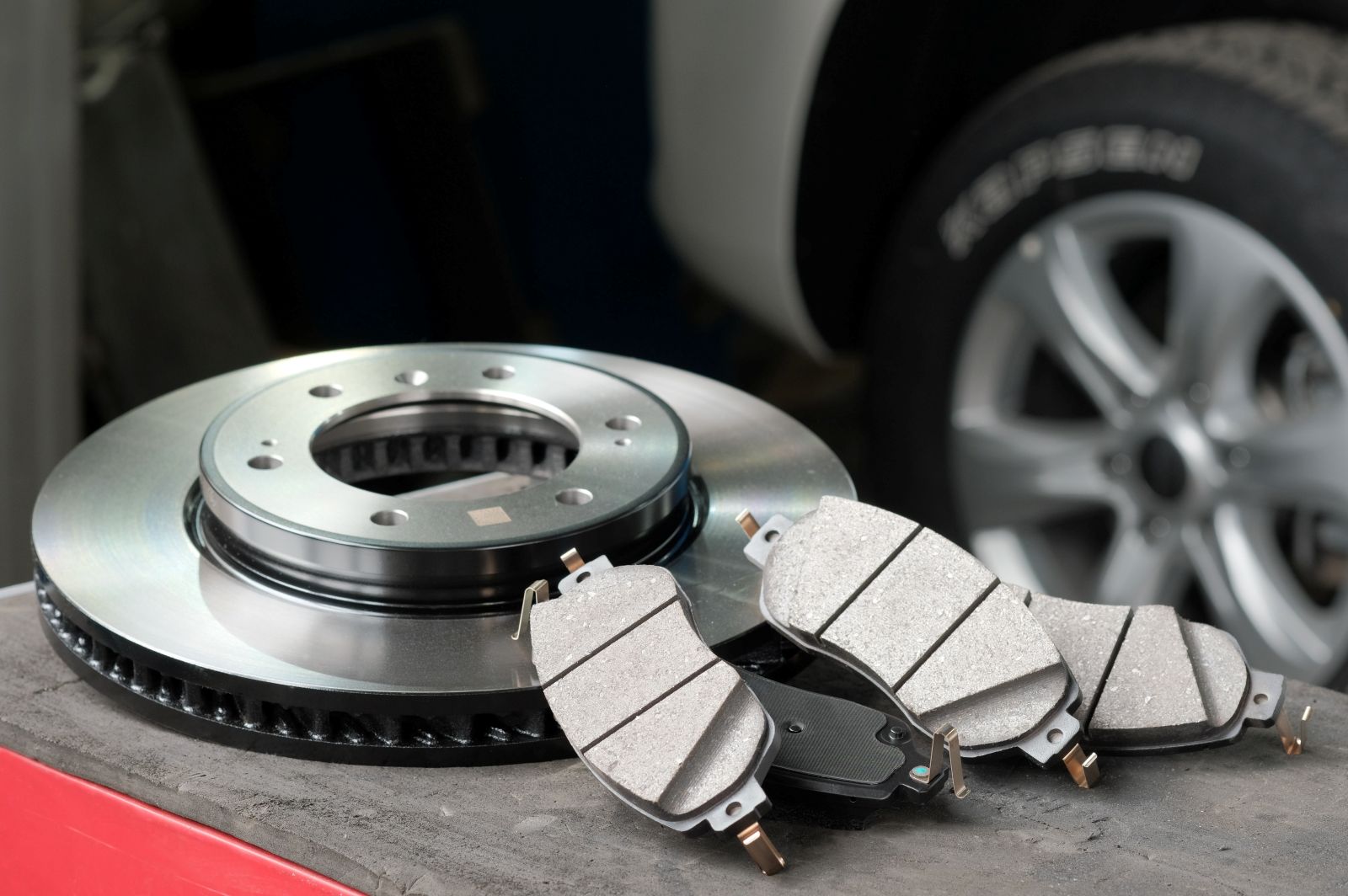
Most changes in Toyota brakes come down to wear and heat cycles. Brake pads gradually thin out. Rotors can develop wear patterns over time. Brake fluid condition can influence pedal feel. None of that is unusual. What matters is how your Toyota behaves compared to its baseline.
A brief squeak that disappears after a couple stops, especially after rain or humidity, can be normal (varies). A sound that repeats all day, vibration you can feel in the steering wheel, or a pedal that feels soft is different. Those symptoms tend to get worse if you wait.
If you’re thinking, “This doesn’t feel like my normal brakes,” that’s a valid reason to schedule a check.
Around Madisonville, brake symptoms often depend on what kind of driving you’re doing that day. Short trips with frequent stops can load brake pads differently than steady highway miles. Humidity and rain can add temporary surface film that makes the first stop of the day noisier. And when you’re slowing down from higher speeds coming off I-69 or the Pennyrile Parkway back onto local roads, vibration becomes easier to notice.
If you commute in from nearby areas like Henderson or Hopkinsville, or you regularly do higher-speed driving before returning to town traffic, that detail is worth mentioning at check-in. It helps reproduce what you’re experiencing faster.
The easiest way to think about Toyota brakes is sound, feel, and consistency.
Sound is often the first signal. Squealing that starts occasionally and becomes frequent is commonly linked to brake pad wear (varies). Grinding or scraping is the sound you should not ignore because it can indicate advanced wear (varies).
Feel is next. If the brake pedal feels soft, spongy, or travels farther than normal, that can point to a brake fluid condition issue or other brake system concerns (varies). If the steering wheel shakes only while braking, that can overlap with rotor-related vibration or tire and suspension factors (varies). The “only while braking” detail matters.
Consistency is the final signal. If braking is fine one stop and feels off the next, especially in stop-and-go traffic, it’s worth checking sooner rather than later.
Drivers often focus on Toyota brake pads, but Toyota brake fluid is what transfers force from your foot into braking pressure. When fluid level or condition is off (varies), you often feel it in the pedal before you hear anything.
Brake fluid concerns can show up as longer pedal travel, a softer pedal, or braking that feels inconsistent in traffic (varies). This is especially noticeable during short trips around Madisonville with frequent stops.
If pedal feel changes suddenly, limit driving and schedule service. Sudden changes are not something to “see if it fixes itself.”
A good inspection should give you clarity, not confusion. The point is to confirm what is worn, what is still healthy, and what is actually causing the symptom you’re feeling.
At Toyota of Madisonville Service Center, the team typically verifies your concern, inspects braking components for wear (and measures where applicable), checks brake fluid level and condition, and looks at related items that can influence braking feel. If the symptom is hard to describe, a road test may be used to reproduce it so the recommendation matches what you’re experiencing.
This is where experience helps. Toyota-trained technicians can explain what they’re seeing and why they’re recommending a specific next step. If replacement is needed, the recommendation should match your Toyota and your driving patterns, with options that make sense for how you use the vehicle.